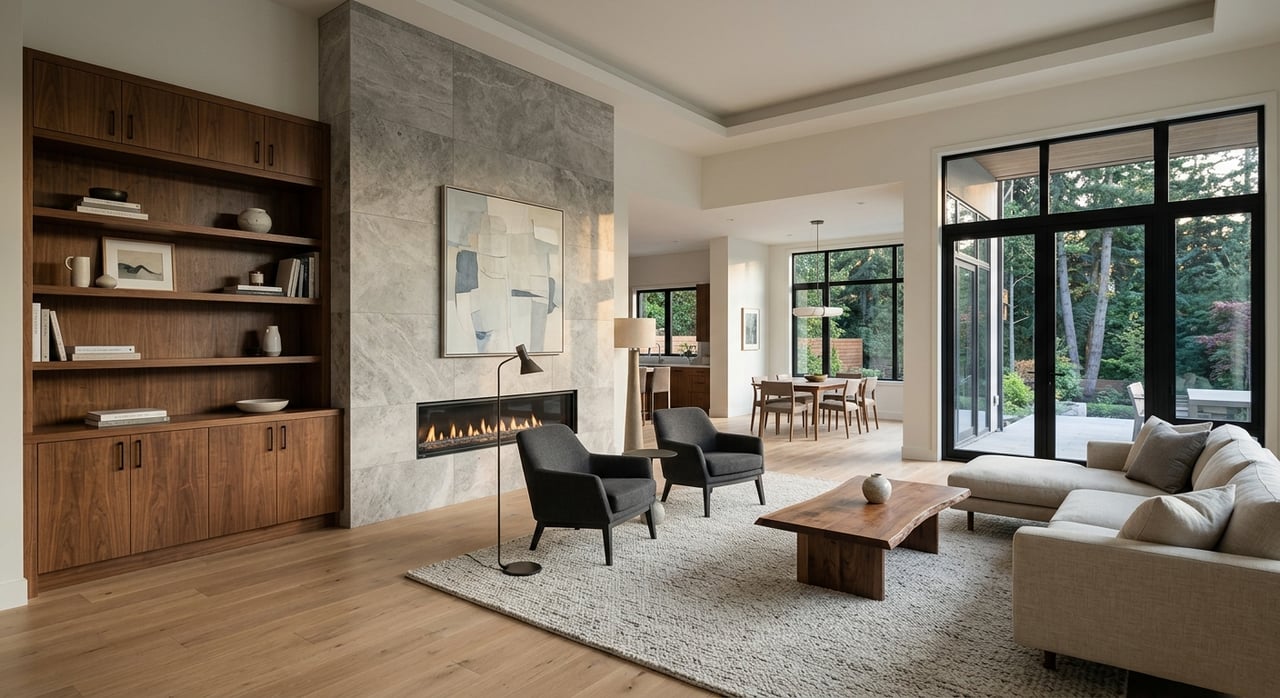
Prepare to List Your Home in Lakeland Hills: Checklist
April 23, 2026
April 23, 2026
If you want top-dollar results in Lakeland Hills, the work starts before your home ever hits the market. Buyers notice condition fast, and according to the National Association of Realtors, 46% of buyers are less willing to compromise on a home’s condition. That does not mean you need a major remodel. It means you need a smart, organized plan that helps your home look clean, cared for, and move-in ready. Let’s dive in.
Lakeland Hills sits in a well-known Auburn and Bonney Lake corridor where buyers often pay close attention to curb appeal, outdoor usability, and overall upkeep. With community features like Lakeland Hills Park and the area's strong residential appeal, first impressions matter from the moment a buyer pulls up.
Bonney Lake describes itself as one of Pierce County’s faster-growing cities and home to more than 23,450 residents, which supports a market where polished presentation can help your listing stand out. In this setting, a thoughtful prep strategy often makes more sense than taking on a long, expensive renovation project. You want your home to feel well-maintained, not under construction.
Before you paint, plant, or repair anything outside, check whether your property falls under Lakeland Hills HOA oversight. The Lakeland Hills HOA notes that its Architectural Control Committee reviews architectural changes, landscaping, and general appearance items, so it is wise to verify requirements with the HOA before making exterior updates.
At the same time, begin gathering the paperwork you will likely need later. Washington’s seller disclosure law for improved residential property requires a completed seller disclosure statement, and the form must be delivered no later than five business days after mutual acceptance unless otherwise agreed. You can review the state’s seller disclosure requirements in Title 64 RCW.
As you prep, collect:
This early step saves time later and helps you make better decisions about repairs, disclosures, and pricing.
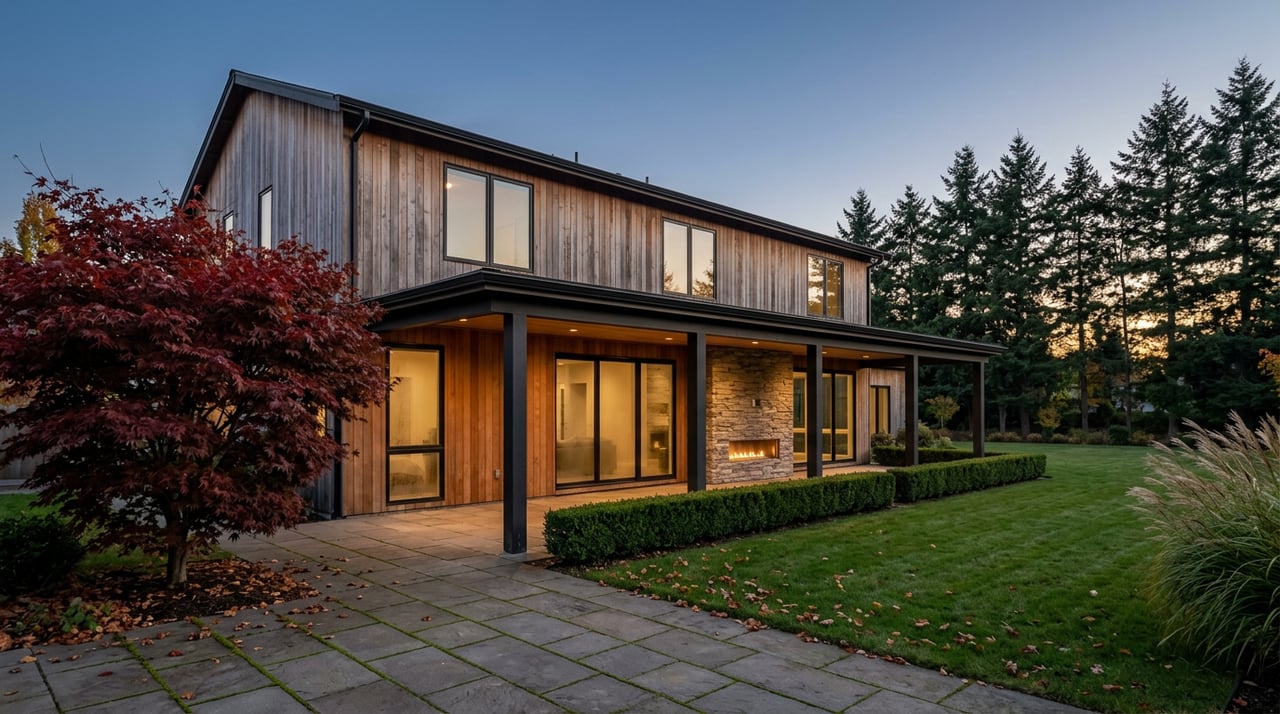
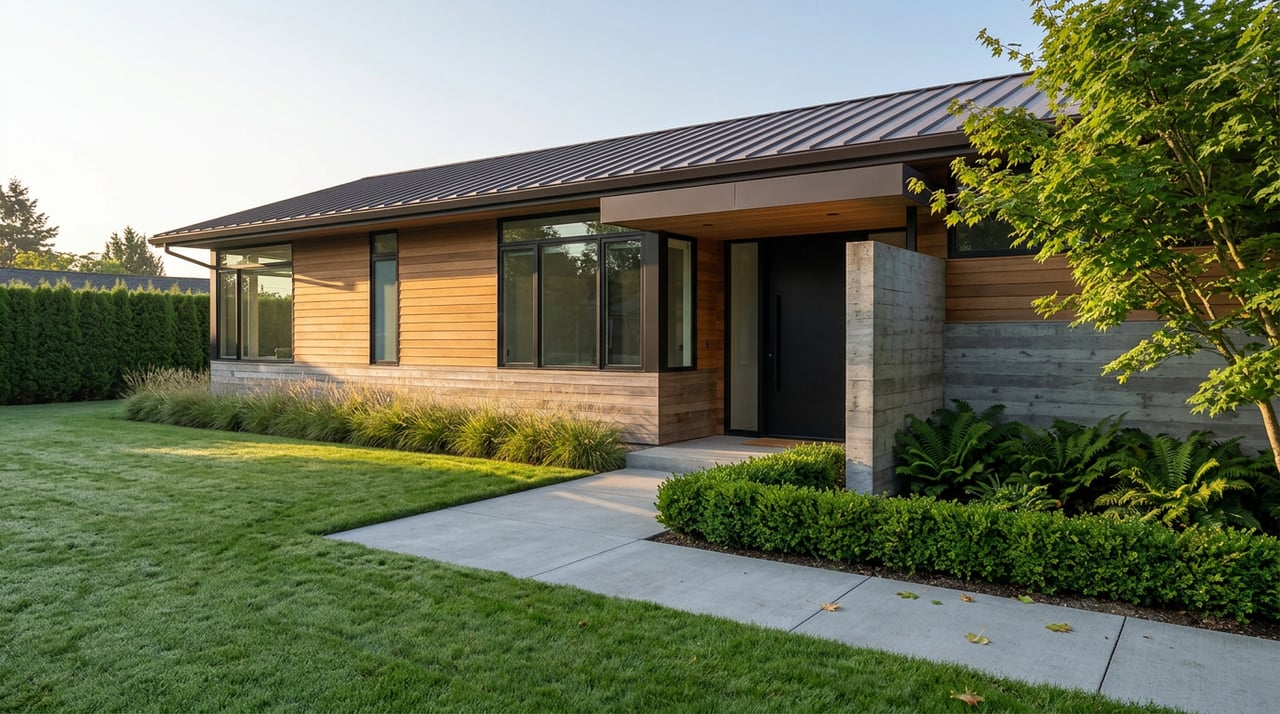
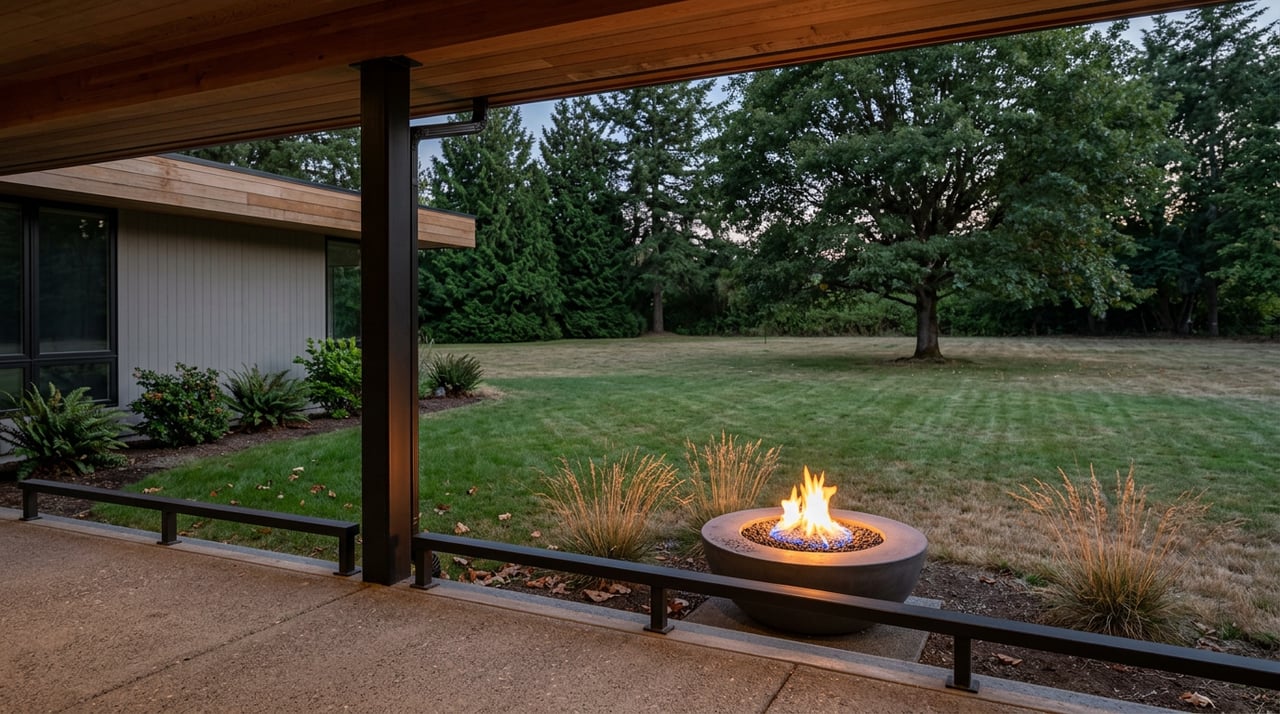
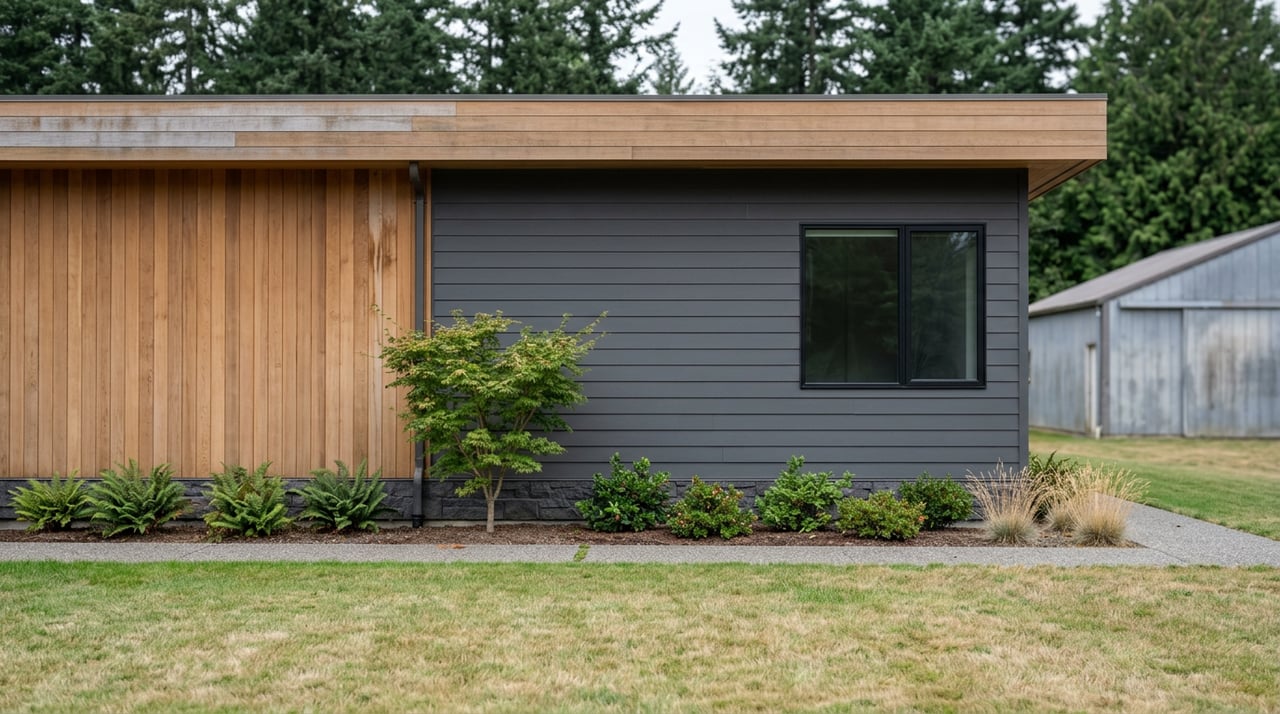
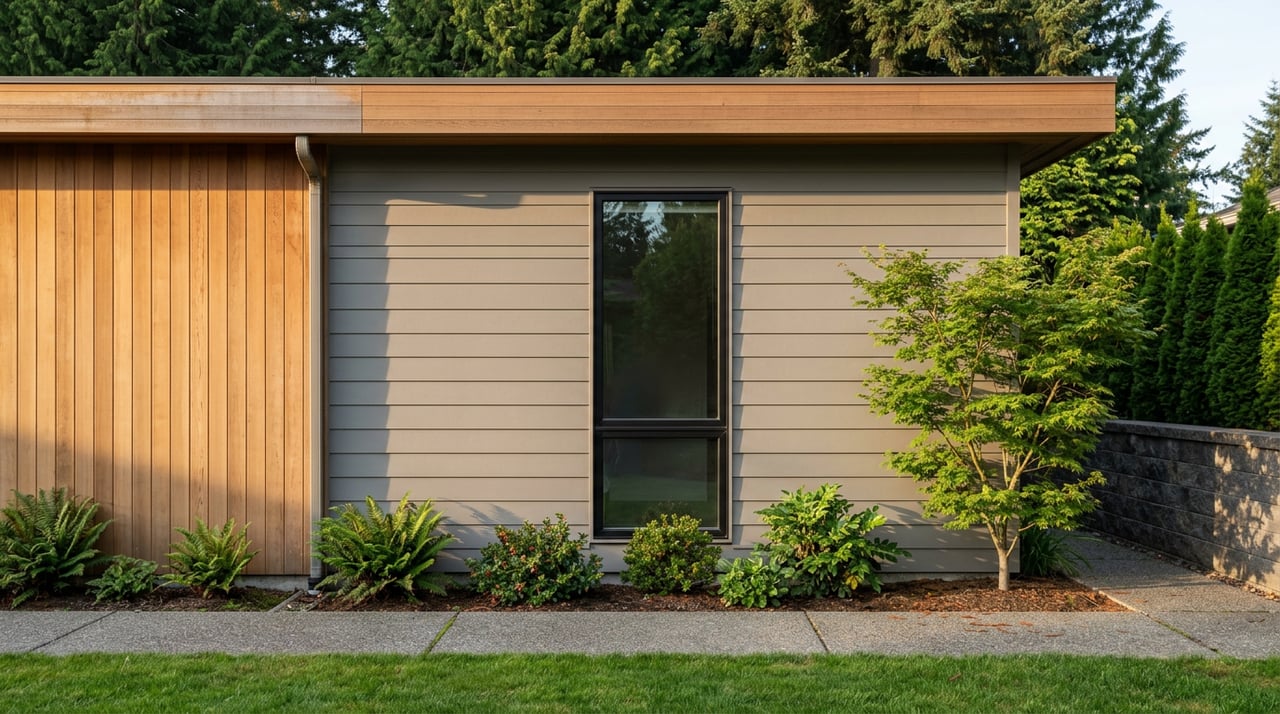
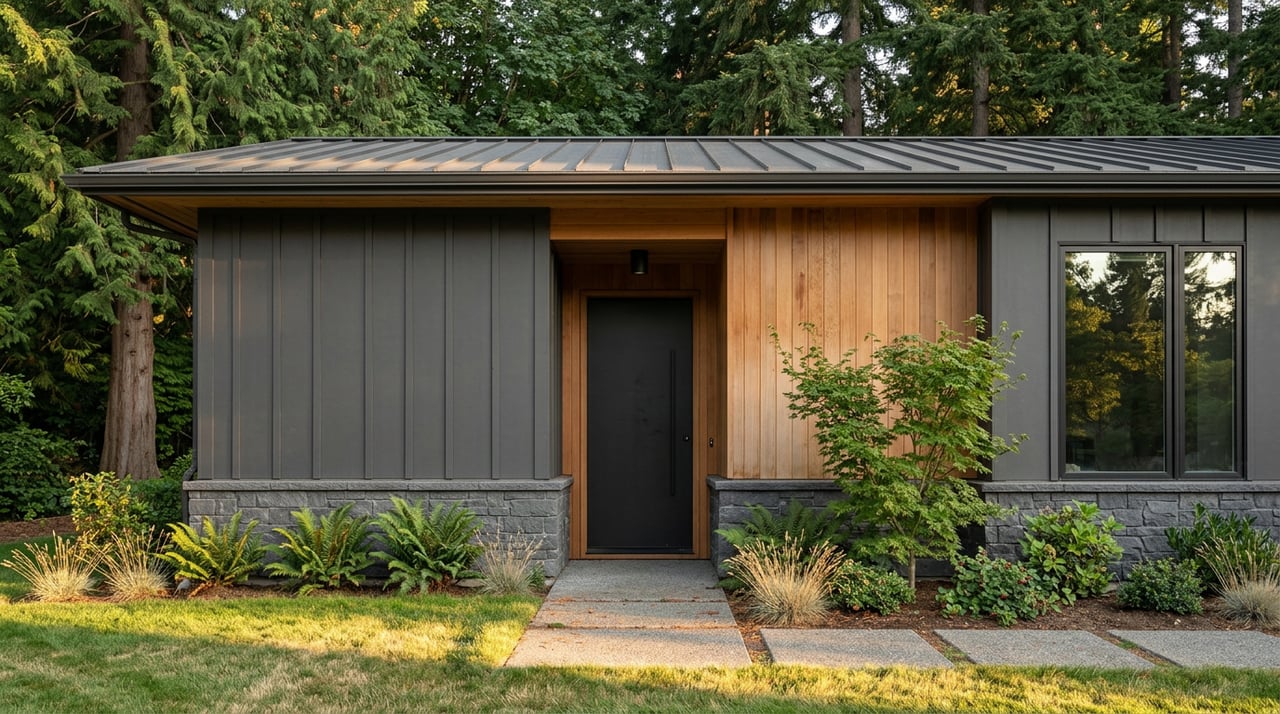
Exterior presentation shapes a buyer’s expectations before they ever walk through the front door. In Lakeland Hills, where neighborhood appearance and outdoor spaces tend to stand out, simple exterior improvements can go a long way.
The 2025 NAR Remodeling Impact Report highlights projects like garage door replacement, new siding, new front doors, and exterior paint as strong curb-appeal improvements. The same report found 100% cost recovery for a new steel door, which is a strong reminder that visible, practical upgrades can be more efficient than bigger cosmetic projects.
You do not need to over-improve. You do want every visible element to suggest consistent care.
Once the exterior is handled, move inside and address the issues buyers notice most. Scratched walls, dripping faucets, burned-out bulbs, loose hardware, and damaged trim may seem minor, but together they can make a home feel less maintained.
NAR’s remodeling guidance points toward practical improvements like painting, selective touch-ups, and key repairs rather than full-scale renovation. If your home needs a refresh, start with the most visible items first.
Fresh paint often delivers one of the simplest and most noticeable improvements. If your kitchen or bathrooms are dated but functional, small finish updates can help more than an expensive remodel right before listing.
When buyers tour your home, they need room to picture their own life there. That is why decluttering matters so much. NAR defines staging as cleaning, decluttering, repairing, depersonalizing, and updating the home, which makes decluttering one of the most important prep steps, not just a finishing touch.
Go room by room and remove anything that makes the space feel crowded, overly personal, or difficult to read. That includes extra furniture, busy shelves, personal photos, countertop overflow, and storage areas packed to the edges.
A cleaner visual field helps your home feel larger, brighter, and easier to understand.
If you are deciding where to spend time and money, focus on the spaces buyers notice first. According to the 2025 Profile of Home Staging Snapshot, 83% of buyers’ agents said staging made it easier for a buyer to visualize a property as a future home. The most commonly staged rooms were the living room, primary bedroom, and dining room.
That gives you a clear roadmap. You do not need to stage every square foot to make an impact.
NAR also notes that self-staging, professional staging, and virtual staging can all be useful. Its staging guidance cites prior findings that some buyer’s agents believe staging can increase value by 1% to 10% compared with similar unstaged homes. If you are working within a budget, concentrate on the rooms that drive emotional connection and online appeal.
One of the biggest mistakes sellers make is assuming they need to overhaul the house before listing. In many cases, buyers respond better to a home that feels clean, bright, and well-maintained than one with expensive upgrades that do not match the market or timeline.
In Lakeland Hills, a practical prep strategy often looks like this:
This approach aligns with buyer expectations while helping you avoid unnecessary cost and delay. If you are unsure what is worth doing, strategic guidance matters more than guessing.
A pre-listing inspection can be a useful planning tool before your home goes live. It can help you identify issues early so you can decide what to repair, what to disclose, and what to factor into pricing.
If you go this route, make sure you use a professional who meets Washington’s licensing standard. The Washington State Department of Licensing states that anyone examining the condition of a home for a fee must be licensed, and you can review the state’s home inspector licensing requirements online.
This step is not required for every seller, but it can reduce surprises and give you more control over the process.
When prep tasks pile up in the wrong order, listing your home can feel overwhelming fast. A better approach is to work through the process in a sequence that supports pricing, marketing, and showing readiness.
This order reflects a smart, efficient path based on NAR guidance, Washington disclosure timing, and the state’s licensing framework for inspectors. It helps you stay organized while avoiding last-minute decisions.
If you want a simple version to follow, use this as your starting point:
Selling in Lakeland Hills is not about doing everything. It is about doing the right things in the right order so your home shows at its best and enters the market with confidence. If you want expert help planning repairs, presentation, and a streamlined listing strategy, connect with The Breckenridge Team to take the next step.
Our team has wide reaching connections that enable us to find off the market properties for our clients. Contact us today!