Thinking about trading city noise for mountain views and bigger yards in Enumclaw? If your job is in Seattle or Tacoma, the commute will shape your day and your budget. You want clear, local insight before you decide. In this guide, you’ll see realistic drive times, the most common routes, transit and park-and-ride options, costs to plan for, and practical tips for hybrid schedules. Let’s dive in.
Enumclaw’s location and main routes
Enumclaw sits in southeast King County at the edge of the Cascade foothills. You are southeast of both Seattle and Tacoma, and most commutes use a mix of state routes to reach the regional freeways.
Here are the key corridors you’ll use:
- SR 164 or SR 410 west out of Enumclaw to reach the valley.
- SR 167 north toward Auburn and Renton, connecting to I‑5 for Seattle or continuing toward Pierce County for Tacoma.
- I‑5 for direct access into central Seattle and Tacoma.
- SR 18 and SR 167 combinations if you need east-west connections or to avoid an incident.
- Local arterials to park-and-ride hubs like Auburn, Kent, Sumner, or Puyallup if you plan to catch Sounder commuter rail or an express bus.
Drive times and when it’s busy
Peak periods matter. Morning peak typically runs 6:00 to 9:00 a.m. Evening peak is about 3:30 to 7:00 p.m. Off-peak midday and late evening can be far faster, though incidents can still cause delays.
Here are conservative travel-time ranges to set expectations:
- Drive-only to downtown Seattle: about 30 to 60 minutes off-peak; 45 to 90 minutes or more in the morning peak depending on incidents and congestion.
- Drive-only to downtown Tacoma: about 20 to 45 minutes off-peak; 30 to 60 minutes or more in the morning peak.
Reliability varies. SR 167 and I‑5 around Auburn, Kent, and Puyallup are frequent bottlenecks. Seattle-bound trips are usually longer and less predictable than Tacoma-bound trips because of higher volumes and downtown surface-street delays.
Route choices by destination
Not every Seattle or Tacoma commute is the same. Your exact route depends on your final destination and start time.
- Downtown Seattle: Take SR 164 or SR 410 to SR 167 north. Connect to I‑5 into downtown. If your office is in the Eastside or North Seattle, you might use SR 167 to I‑405, then cross on SR 520 or another bridge depending on your destination and traffic conditions.
- Downtown Tacoma: Take SR 167 toward Pierce County and connect to I‑5 south, or continue on SR 167 where appropriate. This path is usually shorter and has fewer downtown parking constraints than Seattle.
Plan several versions of the trip at the times you’d leave home. Live traffic tools can help you see patterns on different weekdays and in different seasons.
Transit and multimodal options
Direct transit from Enumclaw is limited, so most people use a drive-plus-transit combination. If you want to avoid downtown driving and parking, consider these patterns:
- Drive to Sounder commuter rail: Many Enumclaw commuters drive to Auburn, Kent, Sumner, or Puyallup stations on the Sounder South Line, then ride into downtown Seattle or Tacoma. Parking capacity varies by station, so arrive early or check station patterns for your schedule.
- Drive to an express bus: Sound Transit, King County Metro, and Pierce Transit operate express routes from nearby hubs. This can be effective if your office is near a convenient stop.
- Vanpools and carpools: Regional vanpool programs are popular for longer commutes. Vanpools and carpools can reduce costs per person and use HOV lanes when available.
- ORCA card: One regional fare card works across Sound Transit, King County Metro, and Pierce Transit. It makes multimodal trips simpler.
HOV and HOT lanes can improve speed and reliability if you share rides. Availability varies by corridor, so check current designations when you plan your route.
Costs to factor into your decision
A longer commute changes more than your schedule. Build a realistic monthly budget for both direct and indirect costs.
- Fuel and wear: More miles means higher fuel, maintenance, and depreciation.
- Parking: Downtown Seattle parking is often expensive. Tacoma parking is usually less, but still a real cost unless your employer covers it. Park-and-ride lots can reduce this expense.
- Tolls and fees: Some corridors use HOT or express-lane pricing. Prices vary by time and demand.
- Time cost: Convert trips to weekly hours. If you commute five days a week and spend 1.5 hours round trip, that’s over 7 hours per week. Hybrid schedules can cut that dramatically.
Lifestyle trade-offs to weigh
Moving to Enumclaw often means more space and an outdoor-oriented lifestyle. The trade-off is more driving for work and errands.
Pros you may notice:
- Larger lots and more single-family homes compared with urban neighborhoods.
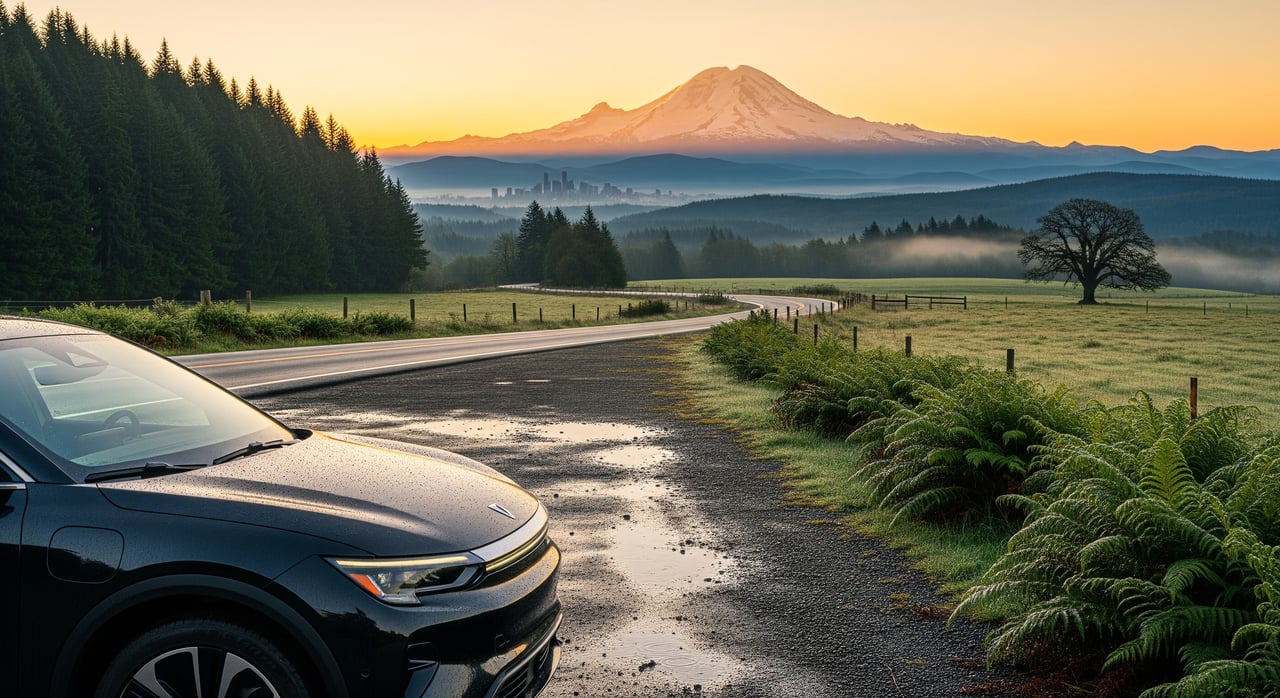
- Close access to trails and the Cascades, including Mount Rainier recreation.
- Often a lower housing cost per square foot than central Seattle, depending on the market cycle.
Considerations to keep in mind:
- Longer and less predictable daily travel if you are in-office full time.
- Fewer same-day cultural and social options without a longer drive.
- Limited direct transit, so more trips start with the car.
Strategies for hybrid and flexible schedules
Enumclaw works especially well if you are remote most days or commute only a couple of times per week.
Try these practical tactics:
- Shift your hours: Starting before 6:00 a.m. or after the peak and leaving ahead of the 3:30 to 7:00 p.m. window can reduce drive times.
- Park-and-ride to rail or express bus: Drive to a Sounder station or a nearby express-bus hub to avoid downtown parking and cut stress.
- Use employer benefits: Ask about pre-tax transit, subsidized ORCA cards, or employer-provided parking.
- Carpool or vanpool: Split costs and gain access to HOV lanes where available.
- Build a backup plan: Weather, crashes, or construction can add large delays. Keep a work-from-home option or an alternate route in your pocket.
Try before you buy: a commute checklist
Before you decide, spend a week sampling your commute. A realistic trial tells you more than any map can.
- Time trial: Drive door-to-desk during your typical start time on two weekdays. Repeat with an early start and a late start. Try a park-and-ride plus Sounder or express bus.
- Total cost estimate: Add fuel, parking, tolls, and vehicle wear. Compare the monthly total with the housing value you gain in Enumclaw.
- Transit access: Identify the nearest Sounder stations and express bus stops that fit your schedule. Note station parking patterns.
- Employer policies: Confirm your remote flexibility, parking arrangements, and transit benefits.
- Seasonality: Consider winter weather and how it affects SR 164, SR 410, SR 167, and I‑5. Have a winter plan.
Is Enumclaw a fit for your commute?
If you commute daily to downtown Seattle, expect longer and less predictable travel than shorter suburban commutes. Many Enumclaw buyers make it work by using hybrid schedules, park-and-ride rail or bus, and flexible start times. If your office is in Tacoma or the South Sound, the daily drive is typically shorter and simpler. With the right plan, you can enjoy Enumclaw’s space and scenery without giving up your work rhythm.
If you are weighing a move, we can help you model the trade-offs and find a home that fits your lifestyle and schedule. Reach out to The Breckenridge Team at PNW Luxury Living to talk through timing, neighborhoods, and a strategy that works for you.
FAQs
How long is the Enumclaw to Seattle commute on average?
- Off-peak drives can run 30 to 60 minutes, while morning peaks often take 45 to 90 minutes or more depending on incidents and congestion.
Is commuting from Enumclaw to Tacoma easier than to Seattle?
- Generally yes. Tacoma is closer and often has shorter drive times and fewer downtown parking constraints, though SR 167 and I‑5 can still bottleneck.
Are there reliable transit options from Enumclaw without driving?
- Direct service is limited. Most commuters drive to Sounder stations in Auburn, Kent, Sumner, or Puyallup or to express-bus hubs, then ride into Seattle or Tacoma.
What are the biggest reliability risks on SR 167 and I‑5?
- Peak congestion, collisions or incidents, winter weather, and planned construction can all add unpredictability and extend travel times.
How can hybrid workers make the Enumclaw commute manageable?
- Limit in-office days, shift start times outside peak windows, use park-and-ride plus rail or express bus, and keep a backup plan for weather or incidents.