Should You Renovate or Sell As Is in Lake Tapps?
February 19, 2026
February 19, 2026
Thinking about listing your Lake Tapps home but not sure if you should renovate or sell as-is? You are not alone. With non-waterfront medians often in the mid-600s and waterfront homes selling well into seven figures, the right prep can change your net proceeds and your timeline. In this guide, you will get a simple decision framework, realistic costs and timelines, the waterfront permit must-knows, and the oversight steps that protect your sale. Let’s dive in.
Lake Tapps and Bonney Lake medians for non-waterfront homes commonly land in roughly the 640k to 700k range based on recent local snapshots. Waterfront homes typically command a strong premium, with recent six-month windows showing medians in the 1.5M to 1.7M range. Days on market vary by season, price, and condition. Turnkey listings tend to move faster than dated homes or waterfront properties with permit questions.
Buyer expectations matter. Many buyers prefer move-in-ready homes and rely on their agents for guidance, so presentation and condition can directly affect demand and days on market. You can review a summary of buyer behavior in a recent National Association of Realtors snapshot to see how readiness affects choices and confidence among buyers.
Ask your agent for a CMA that shows your expected as-is price and the likely list price after targeted updates. Your decision should weigh renovation cost, timeline, and how much uplift you need for the project to pay off. If the uplift is uncertain or the scope is large, selling as-is may be the safer path.
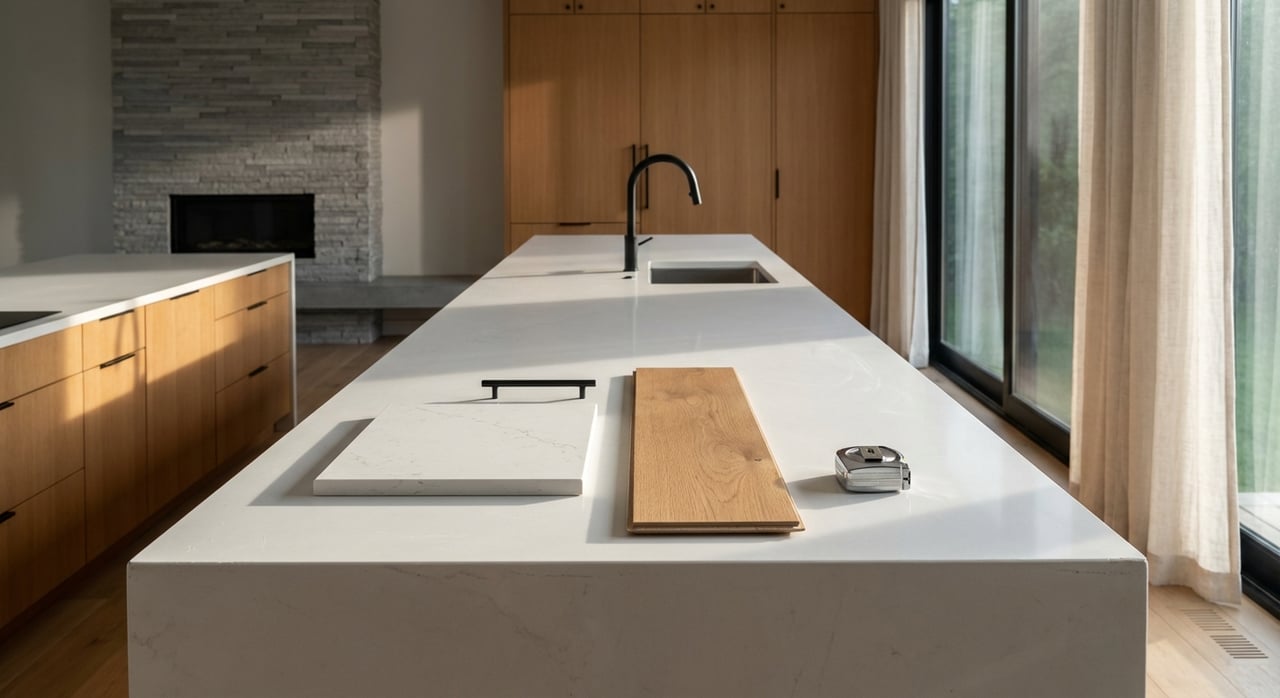
For most non-waterfront homes, selective updates are your best bet. Fresh interior paint, new LVP floors, updated lighting, minor kitchen refreshes, garage door replacement, and curb appeal cleanups often deliver strong buyer impact at reasonable cost and speed. Industry cost-versus-value benchmarks show minor kitchen and exterior projects recoup a higher share of cost than large, custom remodels. You can see those national and regional patterns in this remodeling cost-versus-value summary from a construction source that tracks returns at resale.
If you need a fast close, the home needs a major gut or structural work, or the shoreline requires complex approvals, listing as-is is often smarter. Big-ticket projects that exceed about 8 to 12 percent of your likely list price usually do not pencil out on a short timeline. Waterfront sellers especially should weigh permit time and cost carefully before starting large dock or bulkhead work.
Condition profile: older finishes but functional systems. Prioritize paint, flooring, and a minor kitchen refresh. Typical costs in our region: paint at a few thousand, LVP in main living areas, and a modest kitchen refresh with refaced or painted cabinets, new counters, hardware, and updated lighting. Many of these projects can be completed in 1 to 8 weeks, depending on scope. If the kitchen needs a full gut with layout changes, consider selling as-is instead of pushing a large, slow, and lower-recoup project pre-list.
Condition profile: livable but dated kitchens and baths. Raise the finish level with smarter curb appeal, a midrange kitchen refresh, and a main bath update. Timelines often run 4 to 12 weeks. Buyers in this range expect a higher standard than entry-level listings, but full custom work rarely returns dollar-for-dollar before a sale.
Condition profile: buyer focus shifts to usable, permitted moorage and shoreline access. Prioritize documentation and safety over luxury interior remodels. Assemble any dock and bulkhead permits, obtain a dock inspection, and complete focused repairs. Waterfront buyers value certainty. Unclear permits or unverified moorage can shrink your buyer pool and trigger price cuts or long contingencies.
For more detail on typical costs and returns at resale, you can review this remodeling cost-versus-value summary. For flooring pricing ranges, consult a neutral flooring cost guide.
Much of Lake Tapps shoreline falls under Bonney Lake’s shoreline code. Work waterward of the ordinary high water mark typically requires shoreline review. Many approvals include conditions that are recorded to title. You can review the shoreline permit chapter directly in Bonney Lake’s municipal code.
Lake Tapps is a reservoir operated by Cascade Water Alliance. Work below a set elevation boundary often requires a Cascade license in addition to city or county permits. Confirm whether your dock or bulkhead sits in the license area and gather that documentation early. A recent local article highlights Cascade’s role and the need for proper authorization around the lake.
If a project uses, diverts, obstructs, or changes the bed or flow of fresh waters, Washington Department of Fish and Wildlife typically requires an HPA. The standard review window is up to 45 days after a complete application, and there are seasonal in-water work windows that can affect your schedule. You can check the HPA rule and timing details here.
Depending on scope and location, you may interact with the U.S. Army Corps of Engineers, Washington Department of Natural Resources, and local building departments. Multi-agency sequencing often determines how long approvals take. A regional shoreline guidance document explains how multi-agency conditions and best practices can shape shoreline projects.
Hire licensed and registered contractors and confirm coverage using Washington L&I’s Verify tool. Keep copies of registration, insurance, and workers’ comp status in your listing file. Solid documentation boosts buyer confidence and reduces back-and-forth in escrow.
Use a clear scope of work and a fixed price or well-defined cost-plus contract with a 10 to 15 percent contingency. Require written change orders. Collect lien waivers with each payment. Washington’s mechanics lien rules make good paperwork essential. You can read a plain-English overview of lien requirements and timelines for Washington here.
Do not rely on anyone’s promise to “skip the permit.” Processing and inspections can add weeks. Keep permit approvals, final inspections, warranties, and invoices for buyers. If you are unsure about permitting requirements, start with local FAQs at Pierce County’s Development Center.
Get a dock or bulkhead inspection and assemble your shoreline permit history. Small safety fixes and clean documentation usually deliver a better return than trying to complete a big shoreline rebuild before listing.
At Lake Tapps, your best move depends on price band, scope, permits, and time. Most non-waterfront sellers win with selective, quick updates that show well in photos and in person. Waterfront sellers usually see the highest payoff from permitted, safe, and documented moorage with focused interior refreshes rather than large custom remodels. If you want a clear plan, we can help you run the numbers and handle the work so you can focus on your move.
Ready to map your renovation-to-sale strategy or explore an as-is path that protects your net? Connect with The Misener Group to schedule a consult.

Our team has wide reaching connections that enable us to find off the market properties for our clients. Contact us today!