If you can see Puget Sound from your living room, you already know it feels special. The question is how that view translates into appraised value when you sell. Appraisers focus on what buyers have recently paid for similar views, and they need clear proof to support any premium.
In this guide, you’ll learn how appraisers measure view value in Browns Point, what evidence carries the most weight, and the steps you can take to protect your premium and reduce appraisal risk. Let’s dive in.
How appraisers value views
Sales comparison comes first
For single‑family homes, appraisers rely most on the sales comparison approach. They select recent, nearby closed sales and adjust for differences like condition, size, lot, location, and view. Any view adjustment must be backed by market evidence, not opinion or replacement cost. You can review how this method works in the Appraisal Institute’s core guidance on basic procedures.
Paired sales support the premium
When possible, appraisers look for matched or paired sales: two very similar homes where the main difference is the view. The price gap helps quantify the view premium. If clean pairs are scarce, appraisers expand the comp search or draw from multiple comparables, but the strongest support comes from local, recent, like‑kind sales. See the Appraisal Institute’s advanced applications for how paired sales are used in practice: matched‑pair analysis and market support.
Cost and income are checks, not drivers
The cost approach is typically a check and not a way to price a view. The income approach applies mainly to properties bought for income streams, not typical owner‑occupied homes. Appraisers separate durable, conveyable improvements from staging or personal items and estimate contributory value based on market reaction, not owner cost. See the Colorado Real Property Valuation Manual’s discussion of these concepts: valuation approaches and contributory value.
What counts as a view in Browns Point
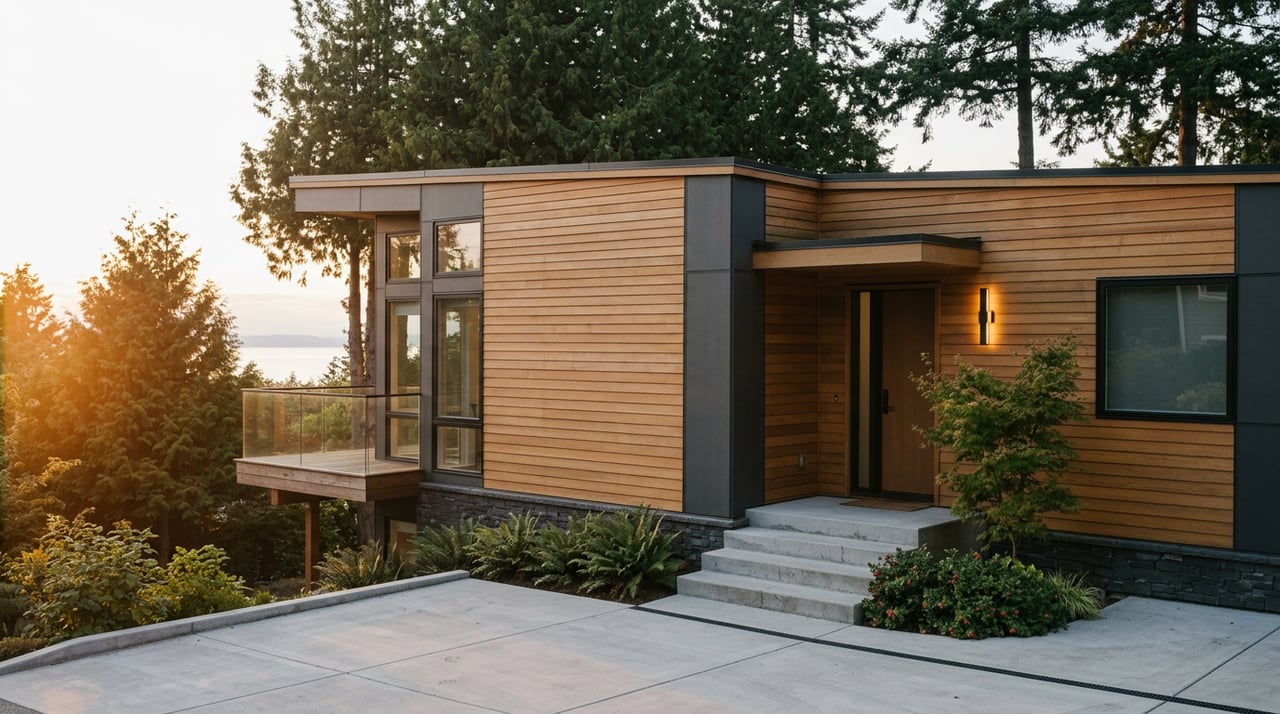
Browns Point sits on a peninsula with sightlines over Commencement Bay and Puget Sound. Many homes capture ferry and shipping lanes, islands, and on clear days, Olympic Mountain sunsets. Primary vantage points are often the living room, kitchen or breakfast area, primary bedroom, and wide decks. Local highlights like Browns Point Lighthouse Park help define the neighborhood’s shoreline setting. Explore the area context through the community group’s resource page: Browns Point Lighthouse Park and history.
Elevation, scope, and permanence
- Scope: Panoramic water plus mountain and city or port views tend to carry stronger premiums than partial or peek views.
- Elevation and angle: Higher lots that see more open water usually perform better than low positions with narrow corridors.
- Permanence: Appraisers consider risks like tree growth or future construction and look for height limits, setbacks, and shoreline rules that affect long‑term view stability. Pierce County’s Browns Point–Dash Point Community Plan documents view concerns and relevant zoning and shoreline guidance. Read the plan to understand protections and constraints: Browns Point–Dash Point Community Plan.
How much is a view worth
There is no single number. Academic studies across coastal markets show view premiums vary widely. Modest scenic views often add low single‑digit percentages, while strong, unobstructed water or panoramic skyline views can reach the mid‑single digits up to low‑double digits. A commonly reported range is about 5 to 25 percent depending on quality, distance, and scarcity. The only defensible figure for your home in Browns Point comes from recent, local paired sales or a targeted pre‑listing appraisal. For a deeper look at how researchers measure view value, see this summary of view pricing across markets: The Value of a View.
What appraisers document about your view
Appraisers record where and how the view is experienced, then compare it to local sales.
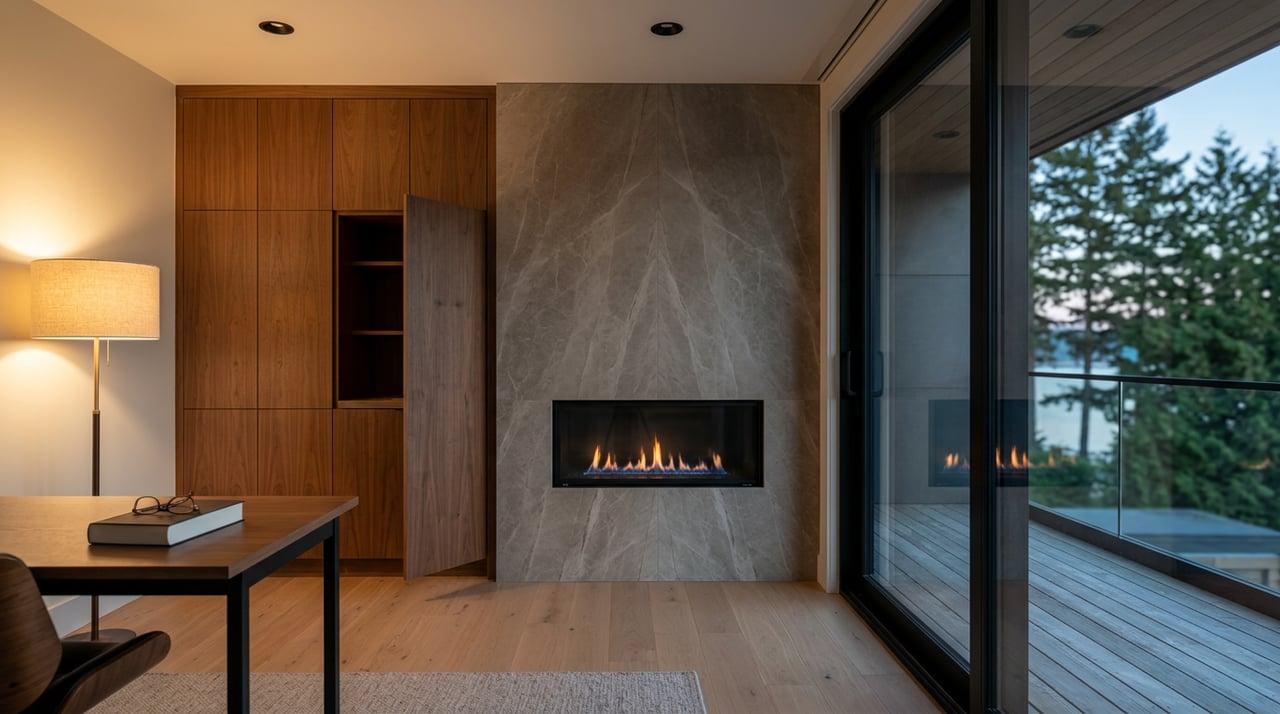
- Room vantage points: Living room, kitchen, primary bedroom, and main deck photos.
- Orientation and scope: Frontal or panoramic vs. partial or peek, plus distance to water.
- Permanence: Recorded view easements, zoning height limits, shoreline rules, and likely future obstructions.
- Improvements: Built elements that enhance viewing, like expanded decks or large window systems, with permits and invoices where available.
These items help the appraiser build a credible, supportable adjustment. For more on what they observe and report, see the Appraisal Institute’s fundamentals: how appraisers verify and document property features.
Prepare to protect your premium
Before listing: pricing and proof
- Order a pre‑listing appraisal if you expect a meaningful view premium. This helps align pricing and gives buyers and underwriters a documented foundation.
- Build a comp packet that isolates the view. Include recent, nearby closed sales that are similar in size and condition, with one key difference: the view. Use matched‑pair logic where possible and include MLS photos that show comparative sightlines.
- Assemble permits and records for deck expansions, window upgrades, and any vegetation management or view easements. Include flood or shoreline documents if relevant and note what conveys. Fannie Mae’s guidance outlines the type of facts and corrections that are useful to lenders during review and reconsideration: how to submit a well‑supported reconsideration of value.
Marketing that supports value
Strong visuals do double duty. They attract the right buyers and also help the appraiser and underwriter see what buyers are paying for.
- Hire a pro photographer and videographer to capture sightlines from primary rooms and the deck. Use twilight to show color and depth.
- Add aerials or drone video if they meaningfully show elevation, shoreline context, and view corridors. The National Association of Realtors offers practical guidance on drone use and compliance: Field Guide to Drones and Real Estate.
- Emphasize appraiser‑relevant details in the listing: which rooms have the view, the degree of panorama, any recorded protections, and permanent upgrades that enhance the experience.
Avoid and solve appraisal gaps
Why low appraisals happen
Gaps usually occur when the contract price bakes in a view premium that recent local closings do not yet support. In thin markets or during rapid shifts, it can be hard to find clean pairs. That is why a tight comp packet and careful pricing matter.
Your options if value comes in low
If the appraisal is short, you have several paths:
- Negotiate price with the buyer or split the gap.
- Have the buyer add cash to cover the shortfall.
- Ask the lender for a reconsideration of value and submit stronger comps and corrections. Fannie Mae now has a standardized borrower‑initiated ROV framework with clear steps and one allowed submission: ROV process and guidance.
- Where allowed by lender policy, request a second appraisal or cancel under your contingency.
For a plain‑English overview of common remedies, see this consumer guide to low appraisals: options when a home appraises low.
Quick seller checklist
Use this to prepare your Browns Point view home for appraisal and reduce risk.
- Recent closed comps that isolate the view difference, plus MLS printouts and labeled photos of sightlines.
- Interior and deck photos from primary vantage points, dated and taken in favorable light.
- Permits and invoices for decks, window systems, and other improvements; flood or shoreline docs if applicable; note what conveys.
- Evidence of any recorded view easements or relevant zoning height limits.
- A short cover memo that summarizes the view scope, permanence, and your three best paired comps.
Ready to showcase your Browns Point view and protect its value? Connect with the team that pairs data‑driven pricing with premium marketing and hands‑on preparation. Reach out to The Misener Group to get started.
FAQs
How do appraisers measure a Puget Sound view premium in Browns Point?
- They start with recent, local paired sales where the main difference is the view, then support any adjustment with multiple comps. Broader research shows common ranges around 5 to 25 percent, but your home’s premium depends on matched local sales.
Can staging raise the appraised value of my Browns Point home?
- Appraisers value what conveys and what the market pays for. Permanent upgrades like decks or large view windows can contribute to value when supported by comps, while staging helps marketing but does not directly increase appraised value.
What if a neighbor’s new build could block my view?
- Appraisers consider permanence risk. Check for recorded easements and review Pierce County height limits and shoreline rules for your site. Reduced risk of obstruction generally supports a stronger, more defensible premium.
How does a reconsideration of value work if the appraiser missed key comps?
- Ask the lender to initiate a borrower‑initiated ROV. Submit a concise cover letter, up to five better comps, view photos from primary rooms, and any factual corrections. Lenders follow standardized steps and allow one ROV submission.
Do higher floors or expanded decks matter in attached homes near Browns Point?
- Yes. In condos and similar buildings, higher floors with better sightlines often sell for more, and well‑designed decks that enhance the viewing experience can be reflected when comparable sales support it.