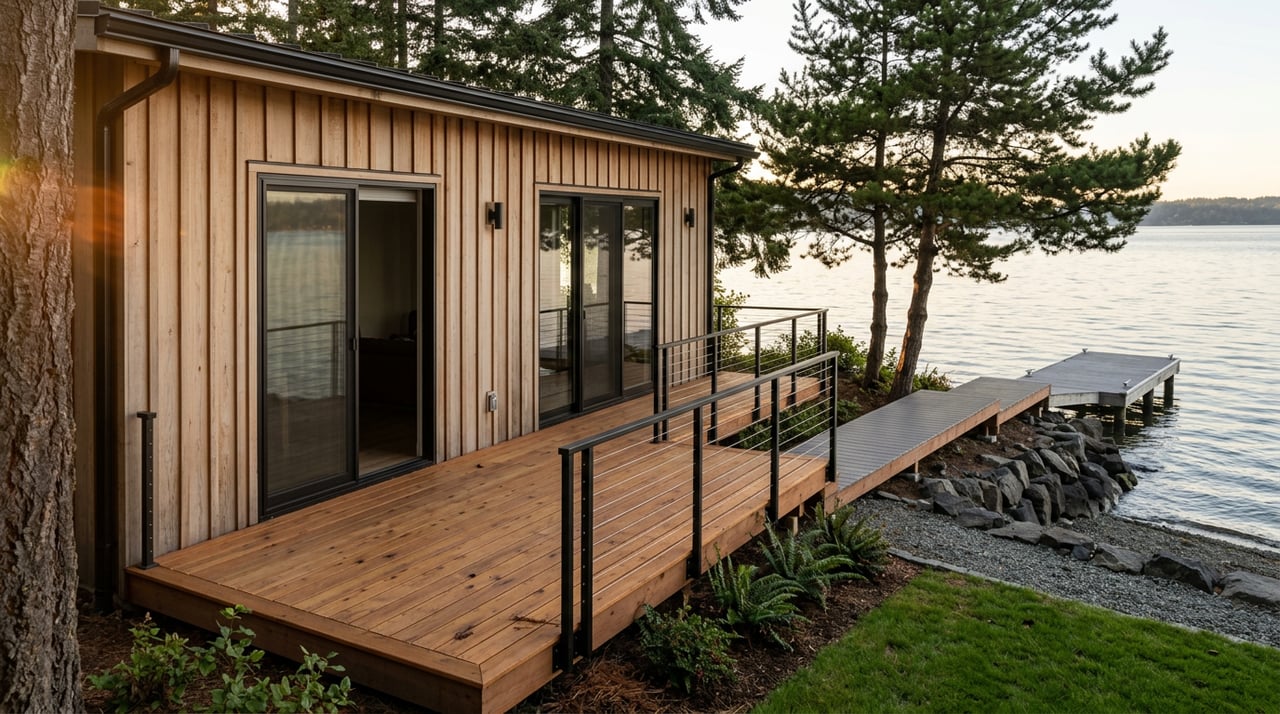
Buying on Tapps Island: Key HOA, Golf & Waterfront Rules
March 5, 2026
March 5, 2026
You can fall in love with the views on Tapps Island in minutes. The smart move is understanding the rules, dues, and permits that shape daily life before you write an offer. If you want the golf, clubhouse, and waterfront experience to match your expectations, you need a clear picture of how the HOA works, what golf membership actually covers, and what it takes to own a dock on a managed reservoir. This guide breaks it all down so you can buy with confidence. Let’s dive in.
Tapps Island is a gated, resort-style neighborhood on Lake Tapps with a 9-hole golf course, clubhouse dining, pools, sports courts, walking trails, a private launch, and guarded entry. The course operator advertises membership options and on-island amenities that many listings highlight as lifestyle benefits. For a quick overview of on-site offerings, review the course and clubhouse details published by the operator at the Tapps Island Golf Course site.
Lake Tapps itself is not a natural lake. It is a managed reservoir that was purchased and is now operated by the Cascade Water Alliance (CWA). Cascade holds the reservoir assets and related water rights, and it manages lake levels in coordination with local governments and tribes. You can read the ownership and operations history on Cascade Water Alliance’s site.
Because it is a reservoir, water levels rise and fall on a schedule for maintenance, flood control, and operations. That means your shoreline and dock usability change seasonally. Treat the lake’s elevation schedule as a material property condition when you evaluate a home.
Buying on Tapps Island means buying into the association’s rules and budget. Plan to verify governance, financial health, and enforcement before you commit.
Expect a single-community HOA like Tapps Island to maintain the following:
Some of these are not public. Archived items indicate that the association distributes many documents directly to members, so you should request them during due diligence rather than assume they are online. You can see examples of historical references to documents in an archived Tapps Island Association overview.
In Washington, you should also receive a formal resale certificate (also called an estoppel). This document discloses current assessments, delinquencies, pending special assessments, reserve status, and the governing documents required for transfer. Learn how the process works from this resource on resale certificates in Washington.
Review the budget and reserve study to understand current dues, what they cover, and whether reserves are funded at a healthy level for a resort-style community. Confirm whether water service is included in dues or billed separately. Ask for aged receivables, delinquency data, and any recorded association liens.
Enforcement typically includes fines, suspension of amenity access, and lien rights for unpaid assessments. Do not assume rules match a different HOA you have lived in. The CC&Rs and rules spell out notice, hearing, and appeal processes. Read them closely before you plan any exterior or waterfront projects.
On Tapps Island, the golf operation and the HOA are separate organizations. That distinction matters when you see “membership” referenced in listings.
The on-island golf course publishes its own pass and membership options. The operator makes clear that golf membership typically does not include HOA-only amenities like pools, parks, or sports courts. Confirm what is included and whether any membership can transfer with a home purchase by reviewing the golf membership details.
The Island Lodge restaurant and event venue operates on-site with a mix of public and member or resident offerings depending on the operator’s current policies. If dining, events, or guest hosting is part of your lifestyle plan, check hours, guest rules, and private-event restrictions on the Island Lodge site.
Owning on the water at Lake Tapps comes with a multi-agency permit framework. Permit history and accurate as-builts are just as important as the dock you can see.
Most in-water and over-water work requires approvals from several agencies. Washington uses the Joint Aquatic Resource Permit Application (JARPA) to coordinate across them. Start with the state’s overview of the process at the Office for Regulatory Innovation and Assistance.
Working without required permits can bring civil or criminal penalties. Always ask for copies of past permits and approvals during due diligence.
Lake Tapps water levels are raised for summer recreation and drawn down for maintenance outside the main season. Fixed and floating docks perform differently across those swings. To understand real-world usability, request several years of elevation data and shoreline photos at both high and low water. Cascade explains how and why levels change in its lake history and management overview.
Cascade has run milfoil monitoring and control efforts on Lake Tapps that may affect recreational use windows. Periodic treatment can include temporary swimming advisories. You can review an example announcement about planned milfoil treatment from local reporting in the Courier-Herald. Ask for recent surveys and treatment history for the shoreline you are buying.
Use this list to organize what to request and who to call. Getting these items early can save time and prevent surprises.
Who to contact early:
Address these items before you waive contingencies or set aggressive timelines.
Buying on Tapps Island is about aligning lifestyle and logistics. The community delivers golf, dining, and on-island amenities in a gated setting, while the lake delivers seasonal recreation. Your experience depends on three distinct systems that you should verify independently: the HOA’s CC&Rs and financials, the golf club’s membership rules, and the lake’s operations and permitting framework.
If you want a local guide who understands the details, we are here to help you source the right home, request the right documents, and time the right inspections. When you are ready to take the next step, reach out to The Breckenridge Team for a consult tailored to your goals on Lake Tapps.


Our team has wide reaching connections that enable us to find off the market properties for our clients. Contact us today!