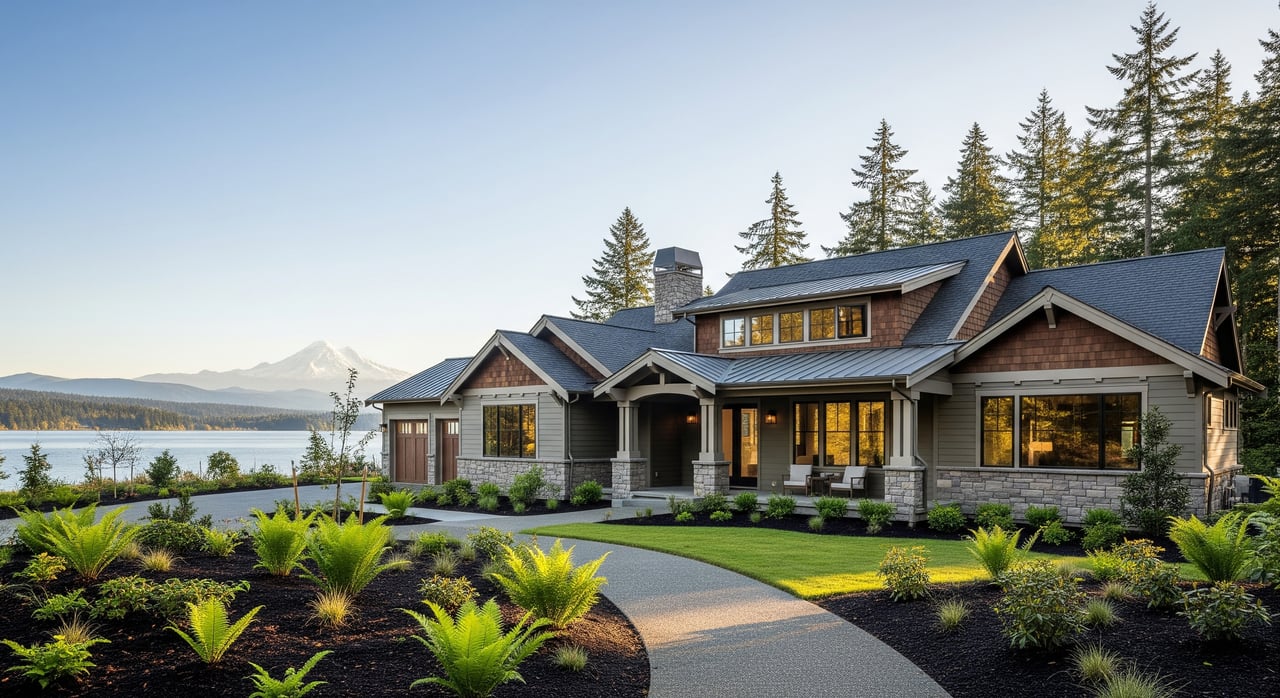
Tehaleh New Construction Guide for Home Buyers
December 4, 2025
December 4, 2025
Thinking about building new in Tehaleh but not sure where to start? You are not alone. New construction offers choice, warranty coverage, and that fresh-home feel, yet the process has more steps and deadlines than a typical resale. This guide breaks down what to check in Tehaleh, how the Washington new-build process works, where costs hide, and how to protect your budget and timeline. Let’s dive in.
Tehaleh is a master-planned community in Bonney Lake with phased development, shared amenities, and a community association. That means you should look closely at CC&Rs, HOA dues, rules on landscaping and exterior finishes, and when assessments begin. Ask for the community’s phasing map so you can see what is built now, what is planned next, and how nearby roads, parks, or commercial areas may change over time.
Confirm basic services early. Identify which utilities serve your lot, plus any connection or impact fees. For permits and inspections, Pierce County Planning and Public Works is the primary contact for records and status. You can review permit and plat details through Pierce County Planning and Public Works.
Check school boundaries and planned capacity if schools are new or expanding. For current assignments, consult the Sumner-Bonney Lake School District. For taxes, remember that new construction is reassessed after completion. You can review tax rates and timing with the Pierce County Assessor-Treasurer, and verify closing-cost practices like real estate excise tax with your escrow officer.
You will pick a lot and sometimes place a reservation deposit. The reservation can hold your priority and price while the builder prepares the purchase agreement. Ask if the deposit is refundable and for how long.
You will sign the builder’s agreement that lists base price, any lot premium, included features, option process, deposit schedule, deadlines, and dispute terms. Review refundability of deposits and any price-escalation language. If you have legal questions, consider consulting a local real estate attorney.
Within a few weeks, you will choose finishes and options. Builders set strict deadlines and pricing for upgrades. If you miss a deadline, the builder may install standard selections or charge late fees, so plan ahead.
The builder applies for permits, then starts site work and construction after approvals. Timelines vary by phase and municipality. Delays from weather or supply chain are common, so keep your expectations flexible.
Typical single-family builds run 4 to 12 months once started. Many builders allow limited walkthroughs at set stages, such as pre-drywall and final. Ask what access you will have and whether independent inspections are permitted.
Before closing you will complete a walkthrough and create a punch list. Escrow handles title, payoff, and closing documents. Make sure you receive the Certificate of Occupancy or any temporary occupancy approval before moving in.
Builder agreements differ from resale contracts. Read the fine print and confirm key items in writing:
For general consumer protection guidance, review the Washington Attorney General’s resources on the Consumer Protection Division. If you are verifying contractor status, use Washington’s official tool to verify a contractor’s license. Remember that the on-site sales team represents the builder, not you. Having your own buyer’s agent helps you navigate terms, timelines, and selections.
You have several options, and the right choice depends on your budget and the builder’s program:
For step-by-step help shopping loans and comparing terms, visit the CFPB’s Owning a Home resources. In early phases or when few comparable sales exist, appraisals can be tricky. Ask your lender about timing and whether a re-inspection will be required at completion.
Your lot choice affects price and everyday livability. In the Pacific Northwest, orientation and natural light matter a lot. Also consider topography and drainage, distance to amenities, and proximity to future phases or busier roads. If you are considering a view lot, ask whether view corridors are protected and how future phases may change sightlines.
Understand the difference between lot premiums and options. Lot premiums are a one-time add for location, such as a cul-de-sac or extra yard. Design center upgrades are priced per item or as packages, often with builder markups. For big-ticket items like countertops, flooring, or expanded patios, compare the builder’s price to a local contractor estimate you could complete after closing.
Budget for items that are often not included in the base price:
Negotiation levers can include closing cost credits, end-of-phase lot premium adjustments, or asking for specific upgrades to be included. The best leverage often appears when a phase is wrapping up or on finished spec homes.
Use this as your quick-reference plan:
If Tehaleh fits your lifestyle goals, the right plan will protect your budget and timeline. We help you compare lots, decode builder contracts, pressure-test upgrade costs, and line up financing and inspections so you close with confidence. When the details are managed well, your new-build experience feels simple and rewarding.
Ready to tour lots, review builder docs, or map out your budget? Connect with The Breckenridge Team to start your Tehaleh new-build game plan.
Our team has wide reaching connections that enable us to find off the market properties for our clients. Contact us today!