July 2, 2026
July 2, 2026
Selling an acreage home in Enumclaw is not the same as selling a standard suburban property. Buyers are not just looking at your house. They are evaluating the full property, from the driveway and land to the septic system, water source, outbuildings, and maintenance history. If you want a smoother sale, the best move is to prepare early and treat your listing like a coordinated project. Let’s dive in.
Acreage buyers tend to look at the property as a complete system. They want to understand how the home functions day to day, how the land is used, and whether key features are documented and well maintained.
That is why prep matters so much before your home ever hits the market. Strong photos, video, virtual tours, and staging all influence buyer interest, and exterior areas matter too. On a rural or semi-rural property, your land and access points are part of the first impression.
It is tempting to begin with landscaping or paint, but paperwork often creates the biggest delays in acreage sales. In King County, parcel, permit, survey, septic, and access records can answer buyer questions before they become negotiation issues.
If your property is within Enumclaw city limits, confirm whether records are held by the city rather than King County. For unincorporated parcels, King County resources can help you research permits, parcel details, and development conditions.
Before listing, it helps to build a clean document folder with the basics a buyer is likely to ask for. This can make your home easier to market and easier to move through escrow.
Include items such as:
Washington also requires sellers of improved residential property to deliver a completed disclosure statement within five business days after mutual acceptance unless the buyer waives it. If you later learn that an earlier answer is inaccurate, you generally need to amend the statement.
For some rural King County properties, you may also need to determine whether the parcel is near a farm or working forest. Washington requires a separate proximity notice in those situations.
This is worth checking early so it becomes part of the disclosure package rather than a late-stage surprise. When acreage buyers are already reviewing land use and surroundings closely, clear documentation helps the process feel more predictable.
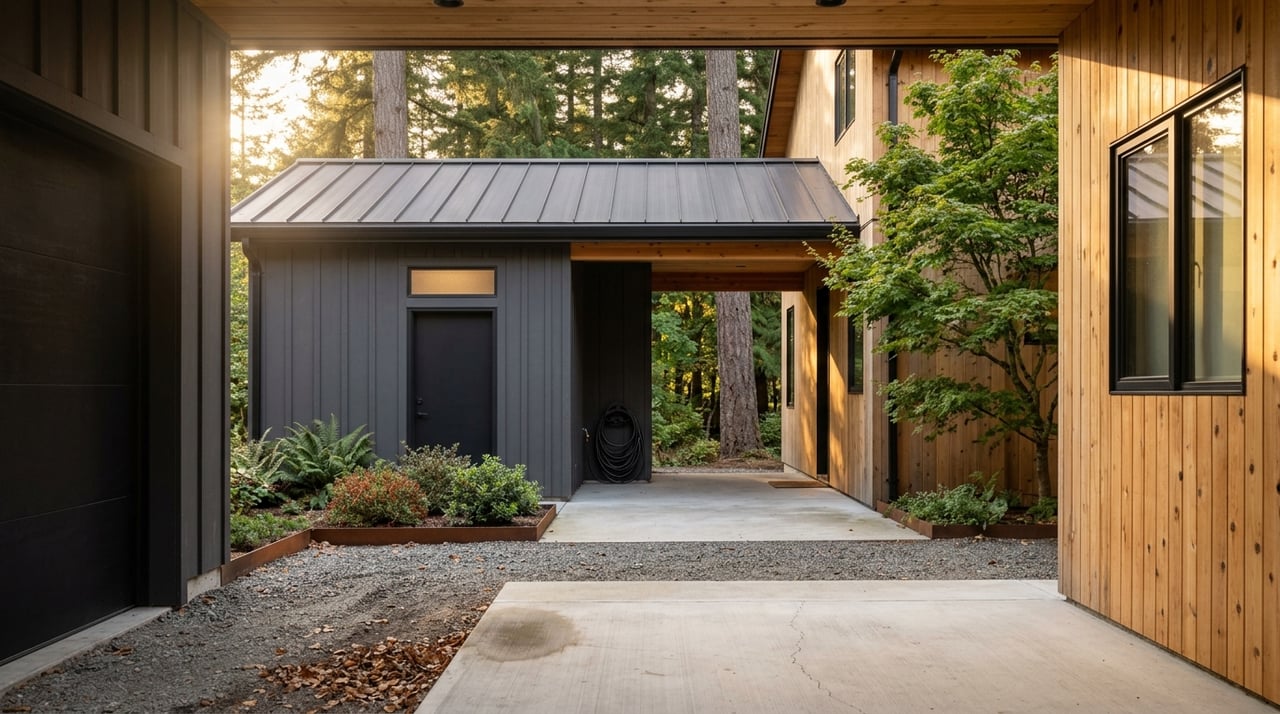
Acreage homes are easier to prepare when you divide the work into zones. Instead of thinking only about the house, think about the home, approach, land, and supporting structures as one visual and functional package.
This approach also helps you prioritize what buyers will notice first in photos and during showings.
Inside the home, the basics still matter. Declutter, depersonalize, deep clean, make needed repairs, clear counters, wipe visible surfaces, open window coverings, and turn on lights for showings.
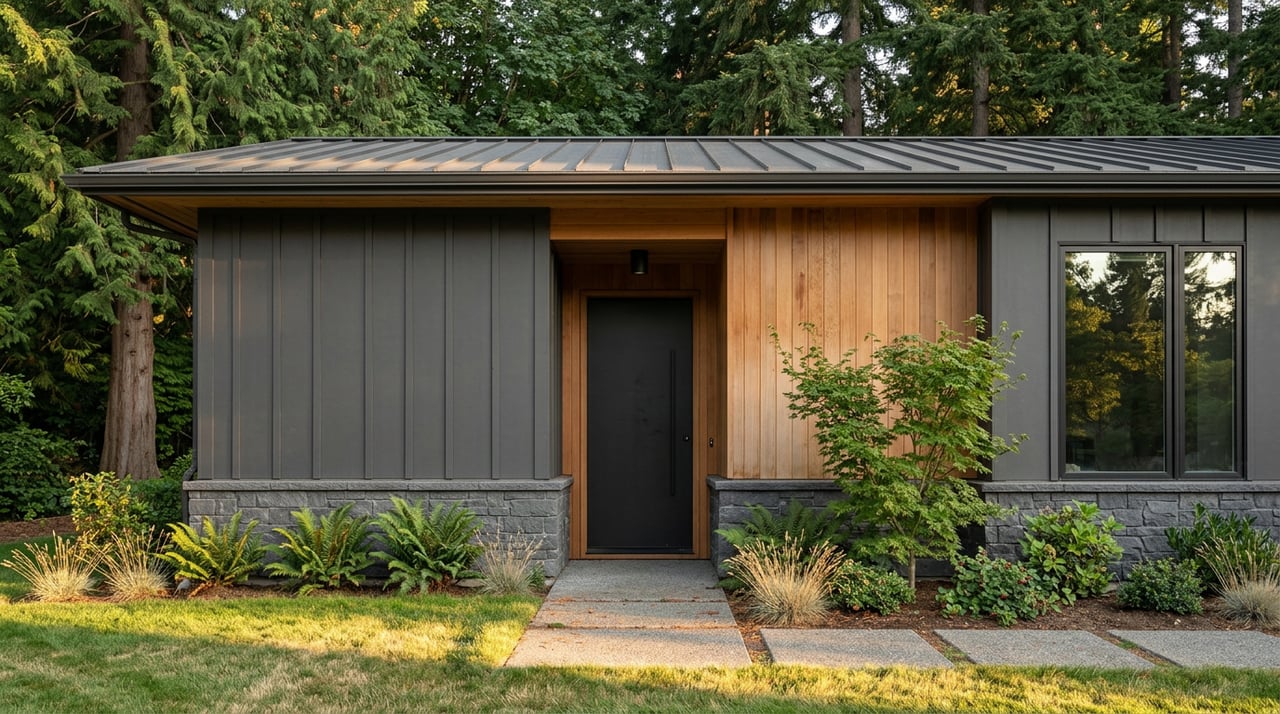
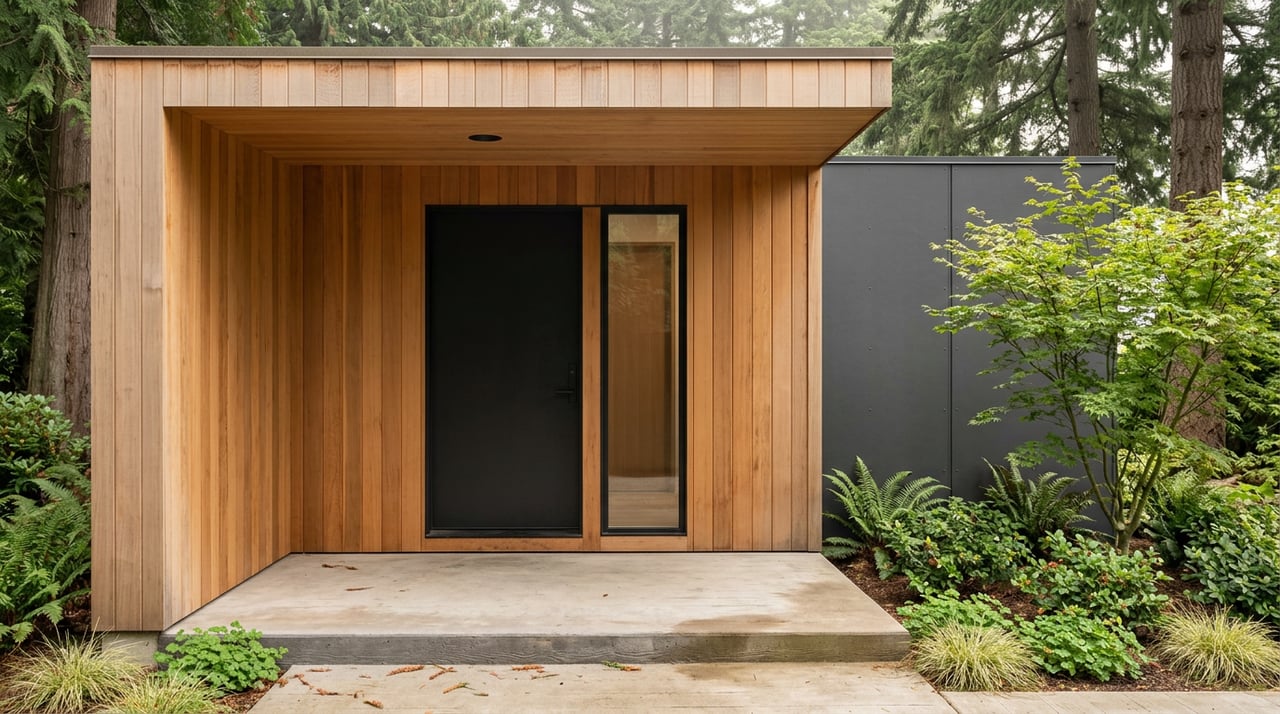
Outside the front door, make sure the path to the home feels clean and obvious. Swept walkways, a tidy entry, and a clear line from the driveway to the front door help buyers focus on the home instead of distractions.
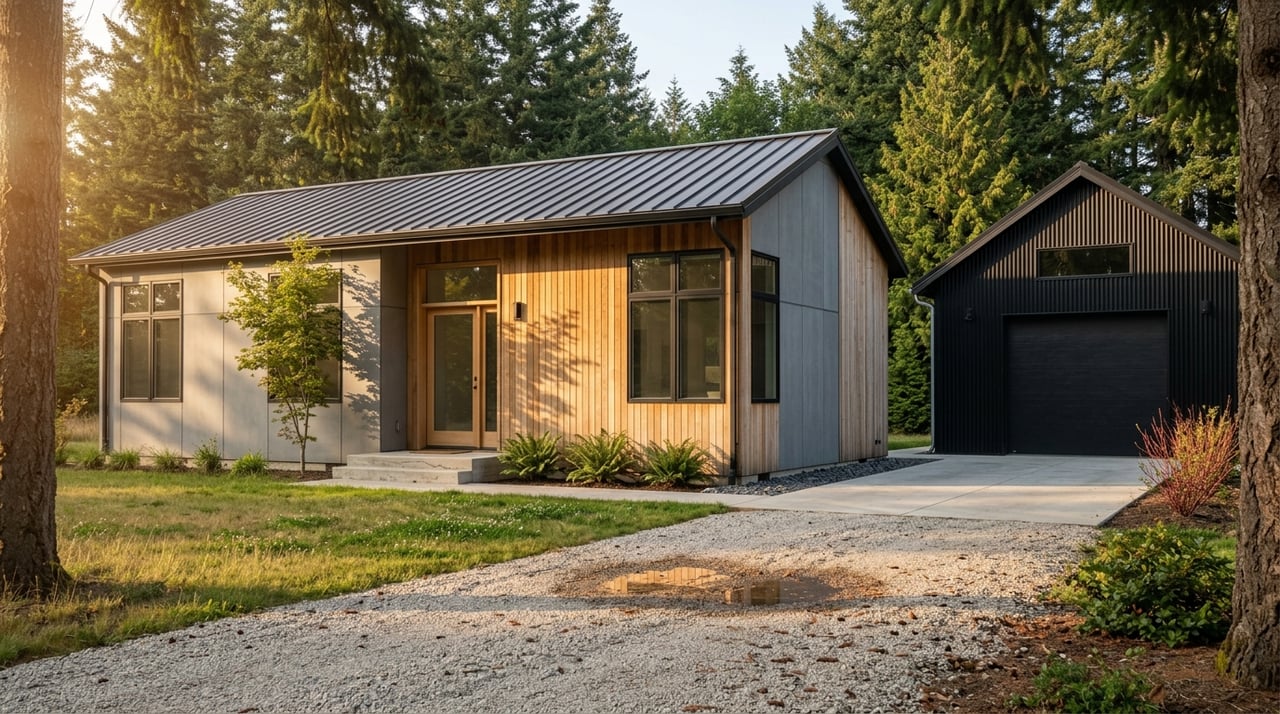
Your driveway tells buyers a lot about how the property lives. Remove extra vehicles, trailers, and loose equipment from sight if possible, and make the route in and out of the property easy to follow.
If access is shared or if boundary lines and easements are unclear, pull those records before you list. King County resources may include surveys recorded since 1973, along with roadway, drainage, plat, and road-construction records that can help answer buyer questions.
On acreage, open space can either feel calm and usable or overwhelming and uncertain. A little organization goes a long way. Clear debris, trim overgrowth, and make outdoor areas look intentional.
If parts of the land serve specific purposes, such as garden space, storage, parking, or recreation, present them clearly. Buyers do not need every inch to be perfect, but they do need the property to feel understandable.
Outbuildings often add value to an acreage property, but they also raise questions. Buyers may want to know what was permitted, when it was built, and how it has been used.
Gather records for garages, barns, sheds, additions, decks, retaining walls, and similar improvements. King County notes that residential permit records are generally available back to about 1970, with some associated plans available back to about 1987.
For many Enumclaw acreage homes, utility systems are a major part of buyer due diligence. If your home has septic or a private well, those items should be addressed well before listing photos and showings.
This is one of the smartest ways to reduce stress later in the sale.
If your property uses a septic system, King County requires inspection by a certified on-site system maintainer before title transfer, with limited waiver exceptions. Sellers also must record the Notice of On-site Sewage System Operation and Maintenance Requirements before closing.
If the septic as-built or record drawing is missing, King County says help requests can take up to five business days. That alone is a good reason to start early. If an inspection reveals a repair need, you will have more time to address it without throwing off your listing timeline.
If your property relies on a private well, locate the well report as soon as possible. The Washington Department of Ecology’s well-report viewer may provide construction, location, driller, and water production details.
The Washington Department of Health recommends annual testing of private well drinking water for coliform bacteria and nitrate. In many counties, sellers may also be asked to provide water-sampling results when a home with a private well is sold. Recent records can help buyers feel more confident about the property.
If your acreage includes wooded or brushy areas, wildfire prep should be part of your sale plan. Washington DNR advises clearing brush and creating defensible space around structures.
That guidance is not just about safety. It can also improve how the property shows by making structures easier to see and access. DNR notes that as many as 80 percent of homes lost to wildland fire may have been saved if brush had been cleared around the home.
Before doing any outdoor burning, make sure you know the current rules. Last-minute cleanup should not create new problems.
A smooth acreage sale usually happens because the work starts early. The more moving parts your property has, the more valuable a simple timeline becomes.
Here is a practical way to think about the process.
Begin with research and scheduling. This is the time to request permit files, review parcel data, locate surveys, check septic records, and find your well report.
It is also the right time to confirm whether your property falls under city or county record systems. Since written responses to public-records requests and septic record help can take up to five business days, this early window gives you room to problem-solve.
Shift to physical prep during this stage. Finish exterior cleanup, trim landscaping, address minor repairs, and organize driveways, outbuildings, and outdoor work areas.
For wooded properties, clear brush around structures and improve defensible space. This is usually the point when the property starts to feel market-ready both in person and on camera.
Treat the entire property like one coordinated presentation. Put away daily-use items, remove pets during showings, open blinds, turn on lights, and keep pathways clean.
Make sure the house, land, and outbuildings all feel cared for and easy to understand. Buyers should be able to picture how the property functions without feeling like they are solving a puzzle.
Acreage buyers often move forward faster when the basics are already documented. The more clearly you can answer early questions, the more confidence you create.
Be ready for questions like:
When those answers are easy to provide, your listing feels more polished and your transaction is less likely to get bogged down in avoidable back-and-forth.
The biggest mistake acreage sellers make is treating prep as a series of random tasks. The smoothest sales usually come from a plan that coordinates records, inspections, cleanup, and marketing.
That is especially true in a market like Enumclaw, where buyers often look closely at both presentation and property infrastructure. When your home is visually ready and your documents are organized, you put yourself in a stronger position from day one.
If you are getting ready to sell an acreage home and want a more strategic, concierge-style plan, The Breckenridge Team can help you prepare, position, and present your property for a smoother sale.


Our team has wide reaching connections that enable us to find off the market properties for our clients. Contact us today!