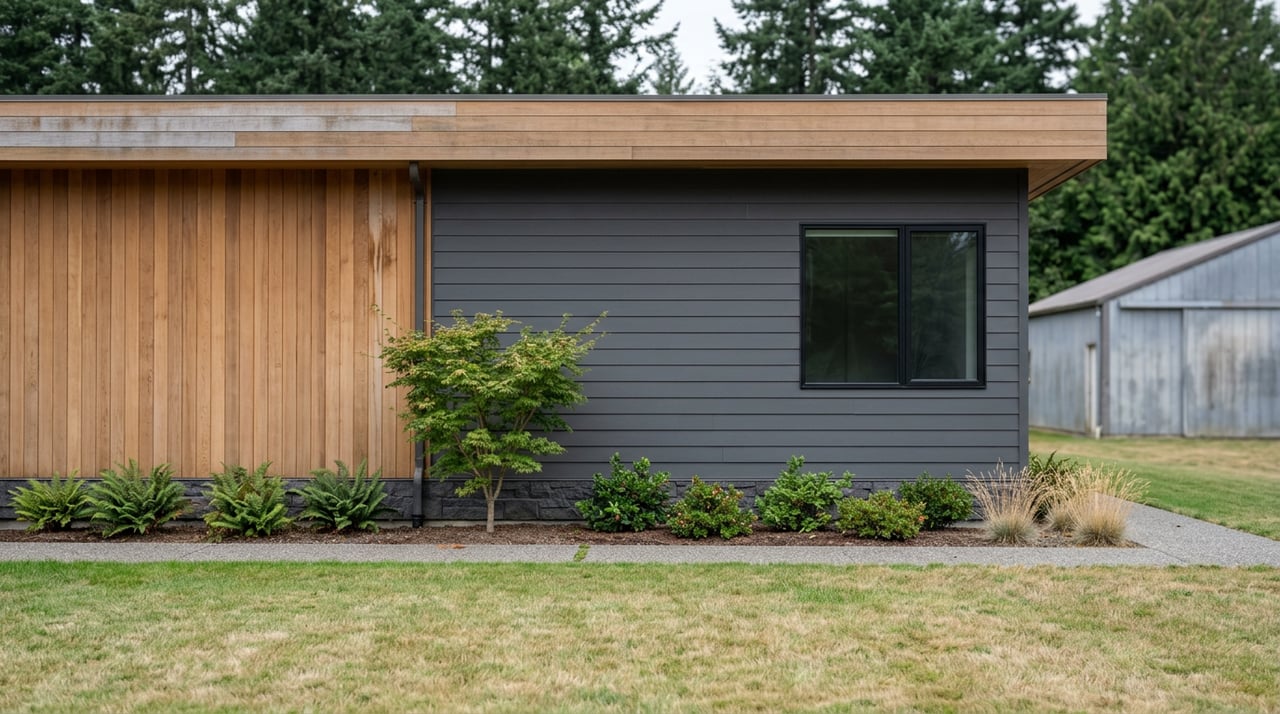
Buckley Septic Inspection Timelines That Can Delay Closing
August 20, 2026
August 20, 2026
You accept an offer on a place outside town, maybe five acres with a shop and a view of the foothills. Closing is set for three weeks out. Then your agent mentions the septic report, and you assume it's a box to check, something the inspector handles along with the roof and the furnace. It isn't. In Pierce County, where Buckley sits, a private septic system triggers a specific county process with its own paperwork and its own processing time that runs independently of your home inspection. Treat it as an afterthought and it can be the reason your closing date moves.
Most Buckley real estate outside the small historic downtown core sits on private septic and private or shared wells rather than municipal sewer and water. That's normal for a town this size and this rural. What's less understood, especially by buyers relocating from a King County suburb where the rules work differently, is that the paperwork governing that septic system isn't generic. It's a defined process under Pierce County Code, and it moves on its own clock.
Pierce County Code Chapter 8.36 governs on-site sewage disposal systems countywide, and the Tacoma-Pierce County Health Department enforces it. When a property with a septic system changes hands in Pierce County, the Tacoma-Pierce County Health Department says the seller needs a Report of System Status, commonly shortened to an RSS. It's not optional and it's not interchangeable with a standard home inspection.
The mechanics matter here. Then the RSS application goes to the Health Department, which needs time to review it and issue the actual report. The department's own site, last revised in late July 2026, still points sellers to its current fee schedule for the year, which tells you this isn't a static, set-it-and-forget-it rule. It gets revisited.
King County, just to the north, runs a different version of the same idea. There, FloHawks says an inspection by a licensed On-Site System Maintainer is required and that if the county doesn't already have an as-built drawing of the system on file, the inspector has to create one on the spot, which adds real time to the process. Neither county's version is harder than the other. They're just different enough that assuming one covers the other is where sellers and out-of-area agents lose days they didn't think they had.
| Pierce County (Buckley) | King County | |
|---|---|---|
| Process name | Report of System Status (RSS) | On-Site System Maintainer (OSM) inspection |
| As-built drawing | Handled through county records | Must be created on-site if missing |
| Issuing body | Tacoma-Pierce County Health Department | King County Public Health |
Here's where it actually bites. Then the paperwork goes to the county. The Health Department needs time, measured in business days, not hours, to process the application and issue the finished report. If you're the seller and you wait until an offer is in hand to schedule the inspection, you're stacking that county processing time directly on top of your escrow period instead of running it in parallel.
A prior inspection can carry forward, but only within a set window. The department accepts an inspection performed up to six months before the RSS application is submitted. That's useful if you had the system serviced recently for unrelated reasons. It's not useful if your last pump-out was two years ago and you're counting on it to save time now.
A seller who orders the RSS the week they list, rather than the week they get an accepted offer, removes an entire layer of risk from the closing calendar. That's the whole insight. The report isn't a closing-week task. It's a listing-week task.
Buckley listings lean hard on well and septic specifics in a way you don't see in sewer-connected suburbs, because here those details carry real weight. One rural parcel currently on the market markets a drilled well producing 55 gallons per minute. That's a strong number. A typical household doesn't need anywhere close to that flow rate for daily use, so when a listing leads with it, it's usually signaling headroom for a future shop, an ADU, irrigation, or livestock, not just a system that works today.
The reverse shows up too. Older listings that mention a septic system installed for a prior mobile home, sized for two bedrooms, are telling you something specific: that system was designed for a smaller footprint, and if your plan involves adding bedrooms or building a larger primary structure, the existing design may not support it without an upgrade.
Plenty of Buckley listings advertise no HOA as a selling point, and for buyers used to suburban covenants, that reads as full autonomy. In some of the newer platted communities, that's not quite the whole story. Where a subdivision runs on a community well rather than individual private wells, homes share the well even without a formal homeowners association sitting on top of it.
If a listing mentions a community well, ask about it before you get past inspection contingencies; the septic report is a separate system entirely.
For sellers:
For buyers:
Does every home in Buckley use a septic system? No. Homes closer to the historic downtown core may be connected to municipal sewer. Rural parcels and many newer subdivisions outside the core rely on private or shared septic and well systems, which is why confirming the setup early matters.
What happens if the septic system fails inspection? The path forward depends on what fails. Some issues are minor repairs a licensed company can address quickly. Others, like a failing drain field, may require a capital repair that needs to be negotiated into the purchase agreement and scheduled before closing, which is another reason to start the process early rather than during the final week of escrow.
If you're weighing a purchase or a listing in Buckley and want someone who has actually worked through a Pierce County RSS timeline rather than assuming it works like the county next door, reach out to Jesse Misener to talk through what your specific property, well, and septic setup will require before you set a closing date.
This article is general information, not legal, tax or financial advice. Consult a qualified professional about your situation.






Our team has wide reaching connections that enable us to find off the market properties for our clients. Contact us today!